

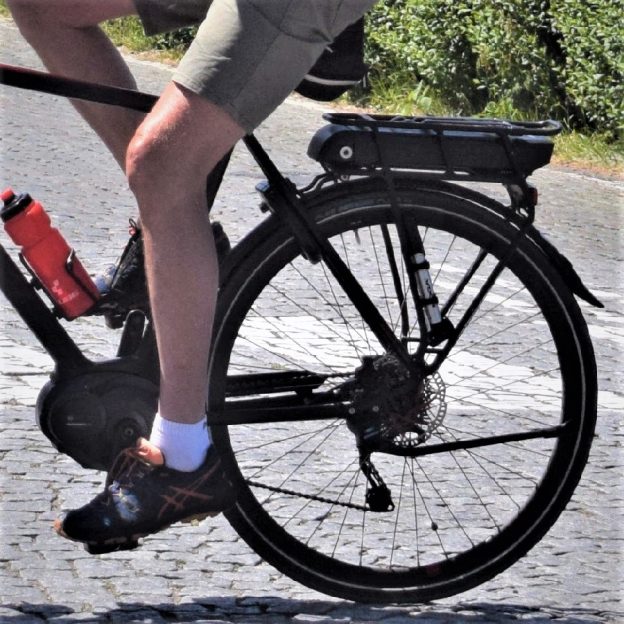
Having a fully charged battery is essential to an electric bike, with the most expensive components the battery and the motor. Today, most ready-to-go electric-assist bikes or e-bikes use a lithium-ion battery pack, and the size of the bike’s battery affects the price you pay.
These lithium-ion batteries are now used in a wide range of applications, so it’s no surprise to find them powering the e-bikes. You will soon discover, when checking out models, that more expensive e-bikes have lighter, higher-tech batteries that charge quickly and last longer. But remember, batteries degrade over time, holding less charge as they age.
The quality of an electric bike battery makes a difference
A better battery will help you maximize the distance (range) you can expect, so look for a reputable battery manufacturer. Then, ensure the warranty covers the battery for at least two years. Conservatively, lithium-ion batteries are typically said to last for 1,000 complete charge cycles. That’s about three years of daily use with five to seven weekly charging periods. The battery can survive longer with careful use, so you can double its life with half-charge cycles. In practice, a battery life of several years is relatively easy to achieve, depending on how often you charge and store the battery.
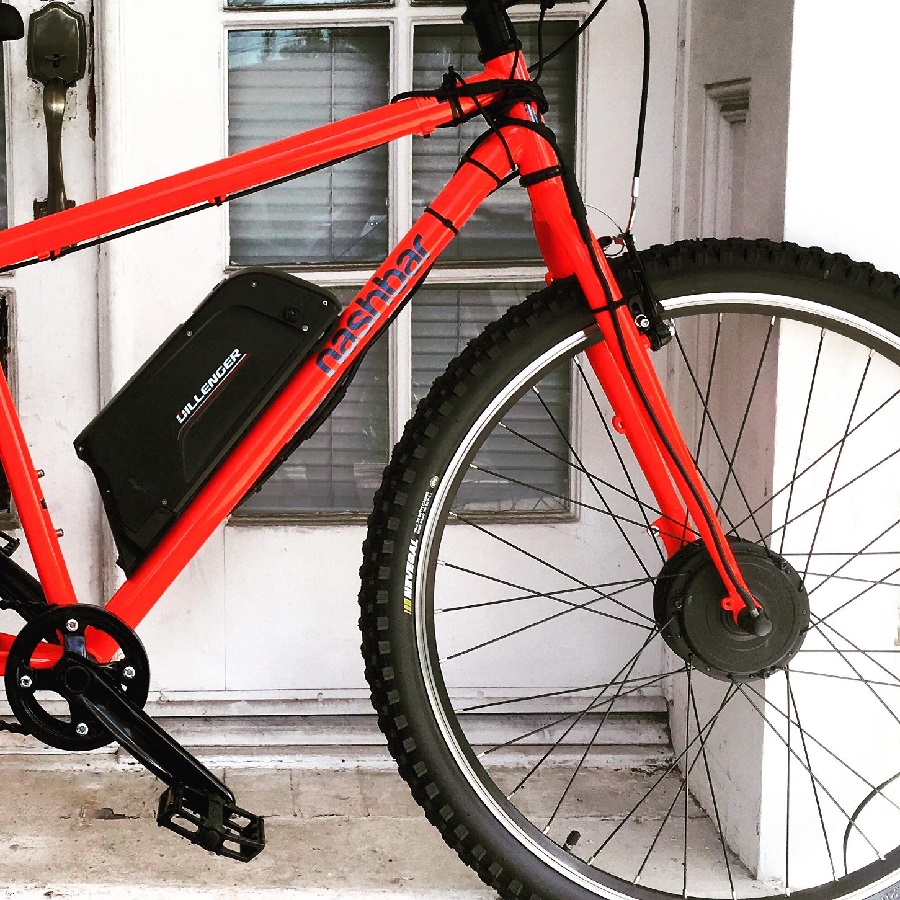
To maximize the life of your electric bike battery
- Ride your bike a lot and charge it often
- If your bike comes with a smart charger, faithfully disconnect the charger within 24 hours
- When not in use for a week or more, maintain the battery to only 40% to 70% of its charging capacity
- Then, store the battery or bike and battery in a cool, dry place above freezing. Check the charge every two to three weeks to keep it in that range.
Consult the owner’s manual for specific guidance for your bike, and visit your favorite bike shop for more tips.