

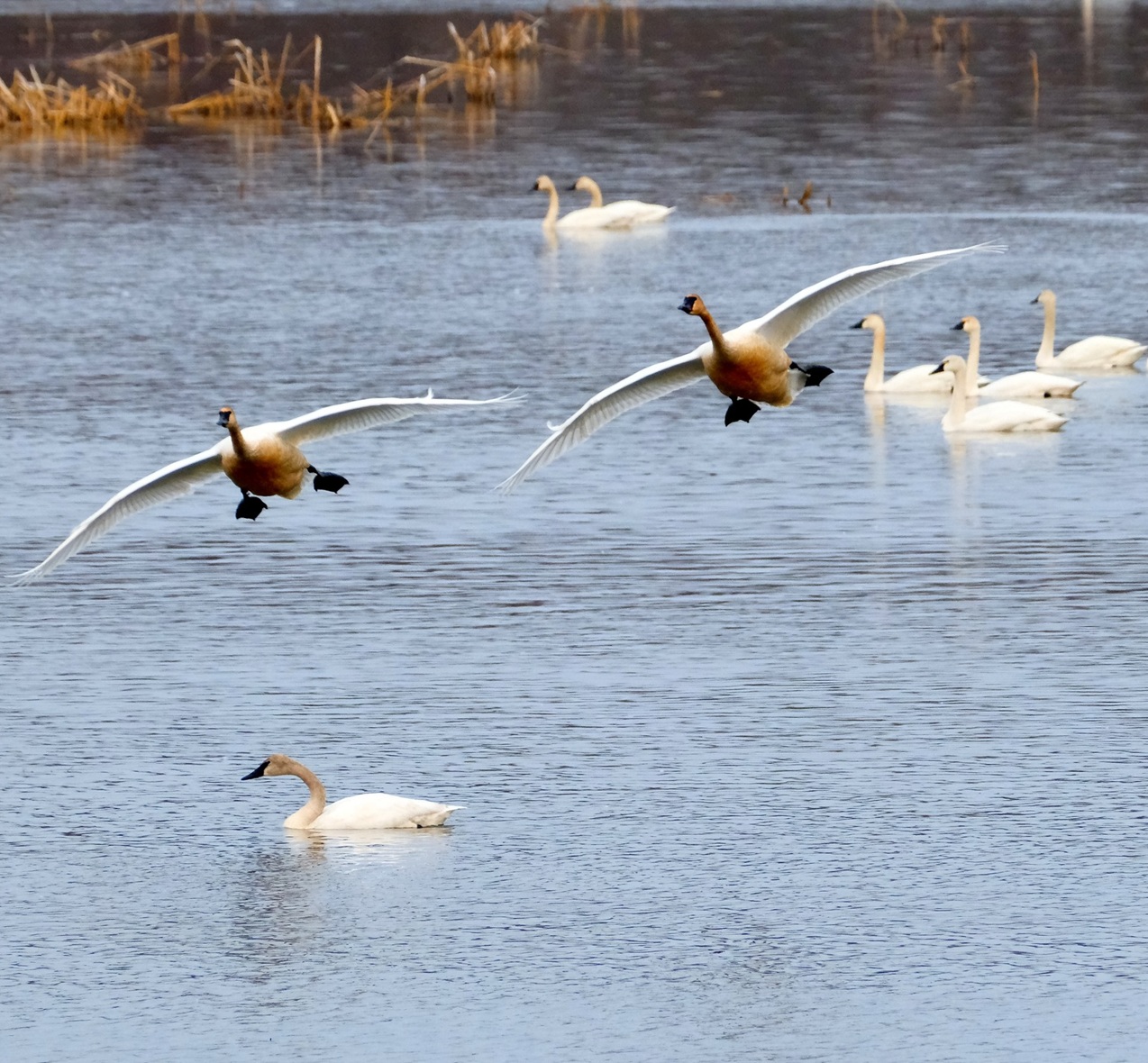
Autumn brings significant change to Minnesota. Stunning tree canopies shift from summertime green to a vibrant mix of yellow, red, orange, and rusty brown as temperatures drop. This seasonal shift also signals a Minnesota wildlife marvel: migratory birds fly to warmer climates. Three major flyways, plus a network of regional “birding trails,” see map. These self-guided routes connect public parks, wildlife refuges, and state lands, offering excellent opportunities to view the fall migration while biking, hiking, or paddling.

Minnesota’s three major flyways
At the confluence of three major North American ecotypes in Minnesota, we will start with the Mississippi Flyway. North America’s largest bird migration corridor. This flyway runs from breeding grounds in central Canada to warmer winter habitat around the Gulf of Mexico and South America.
To the east, the North Shore Birding Trail, along Lake Superior, collects wildlife from summer breeding locations as far north as the Arctic tundra and lakes in the remote northern Canadian boreal forests. Because of Superior’s wide expanse, it acts as a major geographic flyway barrier for crossing. In fall, it forces birds to concentrate along the lake’s shoreline and ridges, funneling them southwest through Duluth and then down other popular flyways.
West of the Mississippi Flyway is the Prairie Pothole Region, which feeds into the Minnesota River Valley. Here, the prairie and western/central region of the State contains thousands of shallow lakes and prairie potholes on either side of the Minnesota River. These wetlands serve as vital stopover, resting, and breeding grounds for waterfowl and shorebirds. As colors peak, they move along and merge into the Mississippi River flyway at the confluence.
One of the earliest destinations to visit the North Shore offers a range of interesting birding environments. With many options below, use the Minnesota Migration Dashboard to plan your next visit to a migratory flyway destination in the Minnesota Bike, Hike, Paddle Guide.
Note: Wear blaze orange or pink during active autumn hunting seasons.
North Shore Birding Trail
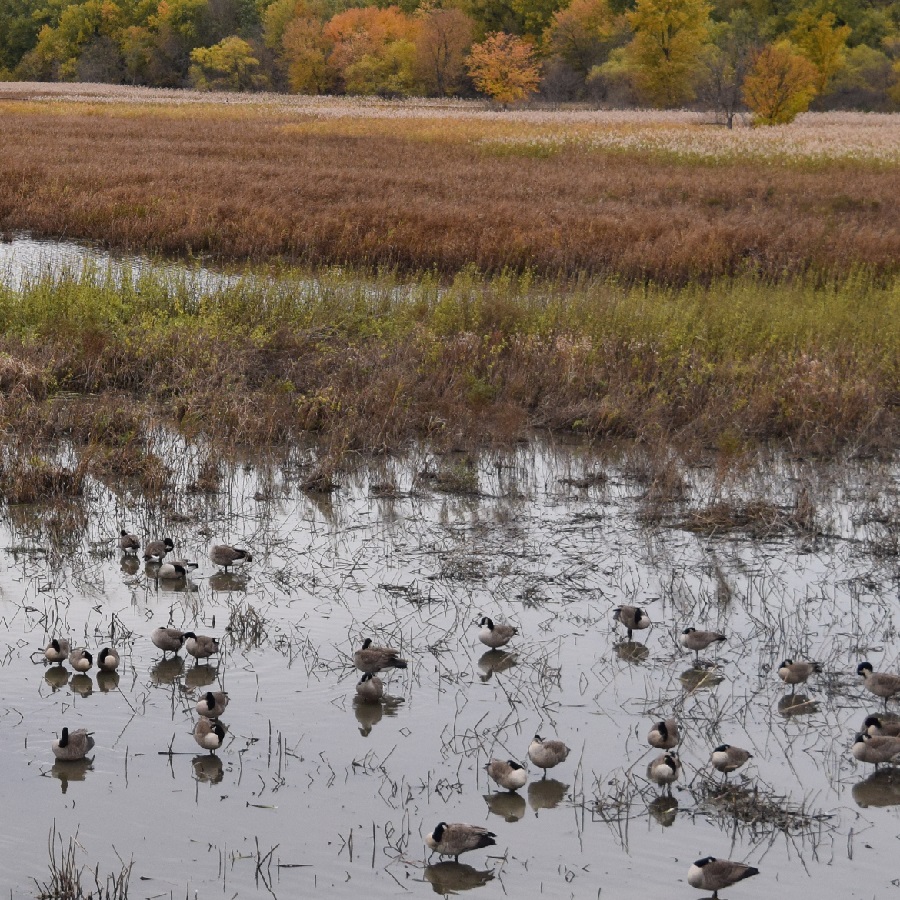
With colors along Lake Superior, from Duluth to Grand Portage, usually the first to peak in Minnesota, the North Shore Trail acts as a specialized geographic funnel for birds and wildlife viewing. Here, Lake Superior blocks or channels massive waves of migrating raptors, waterbirds, and songbirds along its narrow coastal ridge and timbered valleys.
Proctor overlooking Duluth
Proctor is Minnesota’s gateway to Lake Superior and a great place to headquarter your birding adventure. As Fall offers another dramatic transition, with migration moving in reverse from spring, raptors also take center stage here. At the top of the hill, overlooking Duluth, you are minutes from several viewing sites. Consider the Skyline Pkwy from Spirit Mountain Recreational Area to Hawk Ridge, which offers many viewing spots. Several city parks closer to the shoreline, like Park Point, also offer great birding views.
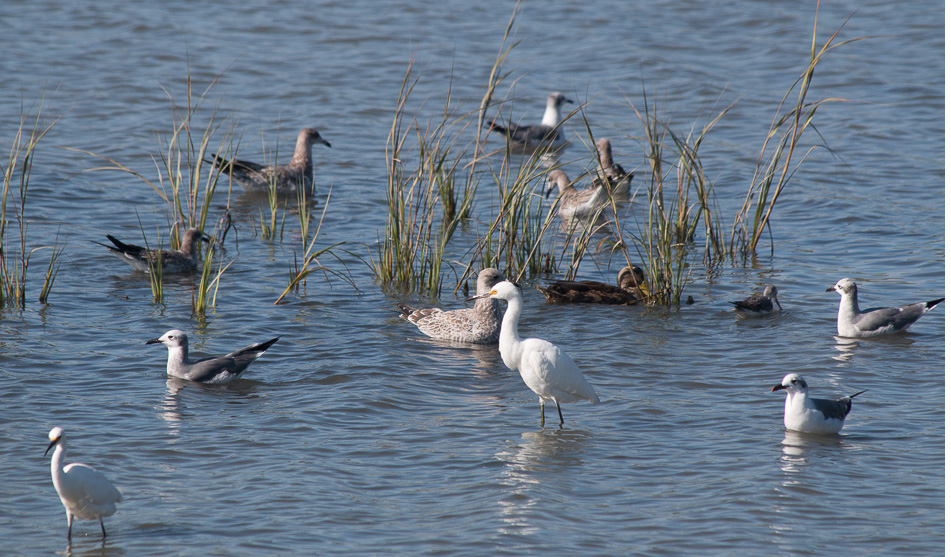
As warblers and thrushes leave in September, you’ll often see vireos and sparrows traveling in mixed flocks. Also see Common Nighthawks and American Kestrels through early November.
Local Viewing Hotspots
- Spirit Mountain Recreational Area: This unique location along the St. Louis River estuary and Northshore Birding Trail offers an exceptional vantage point for experiencing the fall wildlife and bird migration.
- Hawks Ridge Nature Reserve: The premier viewing area in the Midwest, averaging over 60,000 raptors and 200,000 songbirds every fall.
- Park Point: A 7-mile sand spit that serves as a vital landing pad for exhausted migratory birds.
- Skyline Parkway: One of the area’s treasures, uniquely showcasing the city of Duluth from end to end. It offers birding and hiking opportunities while offering spectacular views of Lake Superior and the St. Louis River Bay.
See more at Destination Proctor to plan your Trip
Along the Mississippi Flyway
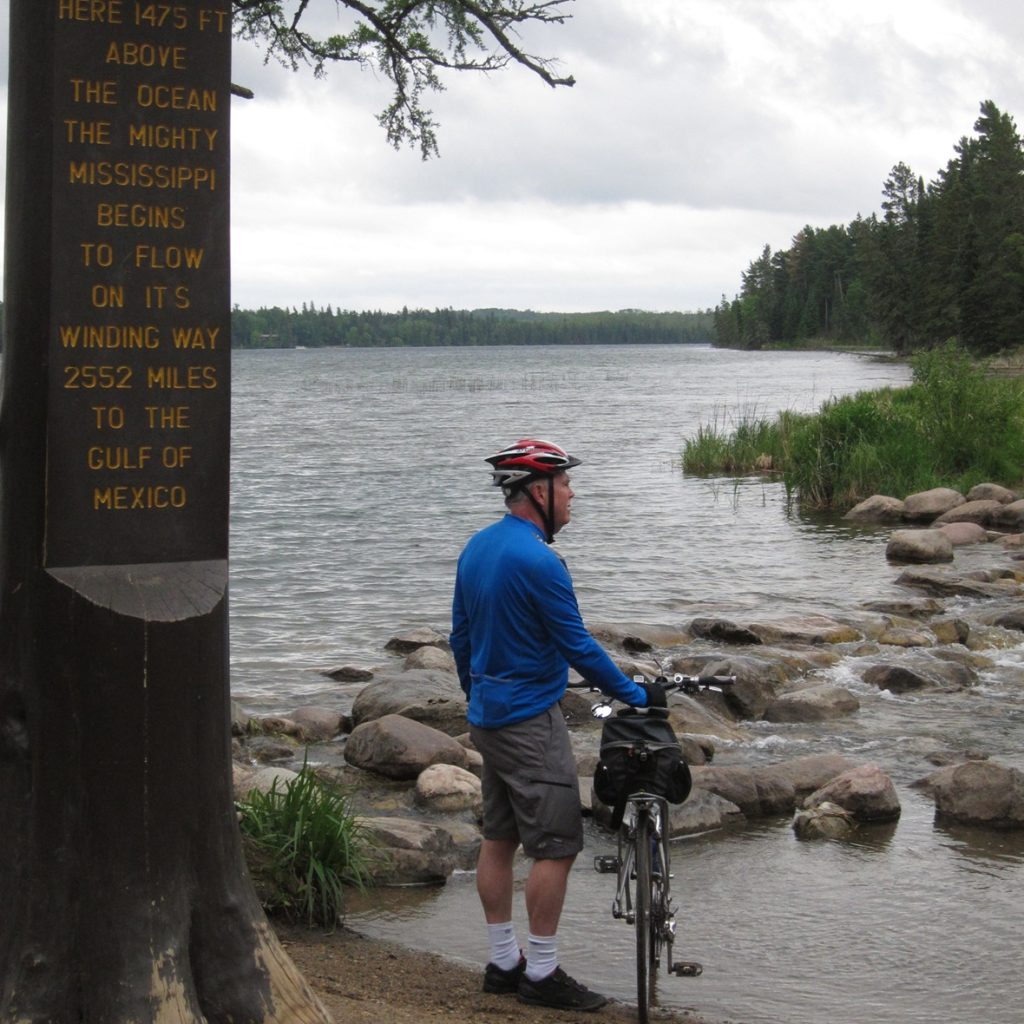
The Mississippi Flyway is a massive avian superhighway used by over 325 bird species and 40% of North America’s migratory waterfowl. Here, with a bounty of lakes and streams, the state features a network of regional “birding trails” that are interconnected strings of public parks, wildlife refuges, and state lands. Follow the Mississippi River from its headwaters at Itasca State Park. Watch for large numbers of migrating waterfowl, departing loons and geese, broad-winged hawks, and turkey vultures. As cold northerly winds fuel the fall migration, consider these Great River Road destinations to see more.

On the Mesabi Trail, Grand Rapids.
For your next fall wildlife adventure, view songbirds and waterfowl migrating along the Mesabi Trail (Between Grand Rapids and Ely). See Warblers, thrushes, vireos, and sparrows move through northern forests and edge habitats, often traveling in mixed flocks or migrating under cover of night, through October.
View Ducks, Canada geese, and staging Sandhill Cranes gathering around northern wetlands, lakes, and open-pit mine waters before pushing further south in late October and November.
- Darwin Meyers Wildlife Management Area: features a 3/4-mile-long floating bridge on the Mesabi Trail near Embarrass. The bridge crosses directly through the area and is a premier spot for viewing migrating shorebirds, waterfowl, and late-autumn sparrows.
- Lake Vermilion: northern section near Tower/Soudan, winding out of the campgrounds, is highly active with Bald Eagles. The nearby mature forests are excellent for catching waves of migrating songbirds. See waterfowl gathering and feeding in the lake’s bay areas.
- Bass Brook Wildlife Management Area: is on the Mississippi River near Grand Rapids & Cohasset. This nature area connects to crucial river flyway corridors. The deep, water-filled mine pits here attract massive gatherings of diving ducks and geese in mid-to-late autumn.
- Bovey & Coleraine: this section of the Mesabi Trail offers an incredibly fantastic section for casual wildlife viewing. The trail here between the two towns sits within the Mississippi River Flyway zone and features a landscape carved by historic mining. With deep-water pit lakes, native boreal forests, and wetlands, it is a critical resting stop for migrating birds.
See more at Destination Mesabi Trail Towns to plan your trip.
Brainerd Lakes Area
For your next fall wildlife adventure of songbirds and waterfowl migration in the Brainerd Lakes Area. See warblers, vireos, thrushes, and sparrows. Shorebirds move through shallow mudflats and wetlands, and early raptors like broad-winged and Cooper’s hawks cross the region. Bald eagles remain active along open water late into the season.
As loons begin leaving for the Atlantic and Gulf coasts, view ring-necked ducks, mallards, and Canada geese gather on area lakes and wetlands through early November. Sandhill cranes start staging in larger numbers across central Minnesota. Spectacular late-season flights of tundra swans and trumpeter swans move along regional waterways and the Mississippi River.
Local Viewing Hotspots
- Crow Wing State Park: Offers river and forest habitats ideal for spotting raptors, waterfowl, and migrating songbirds along the Mississippi River. Northland Arboretum: A designated Important Bird Area right in Brainerd, great for forest songbirds, woodpeckers, and sparrows.
- Rotary Park & Kiwanis Park: Riverside and wetland access points to watch waterbirds and local river wildlife.
- Crosslake Recreation Area & Paul Bunyan Trail: Scenic corridors providing great vantage points for loons, waterfowl, and overhead migrants.
See more at Destination Brainerd Lakes to plan your trip.
St Cloud
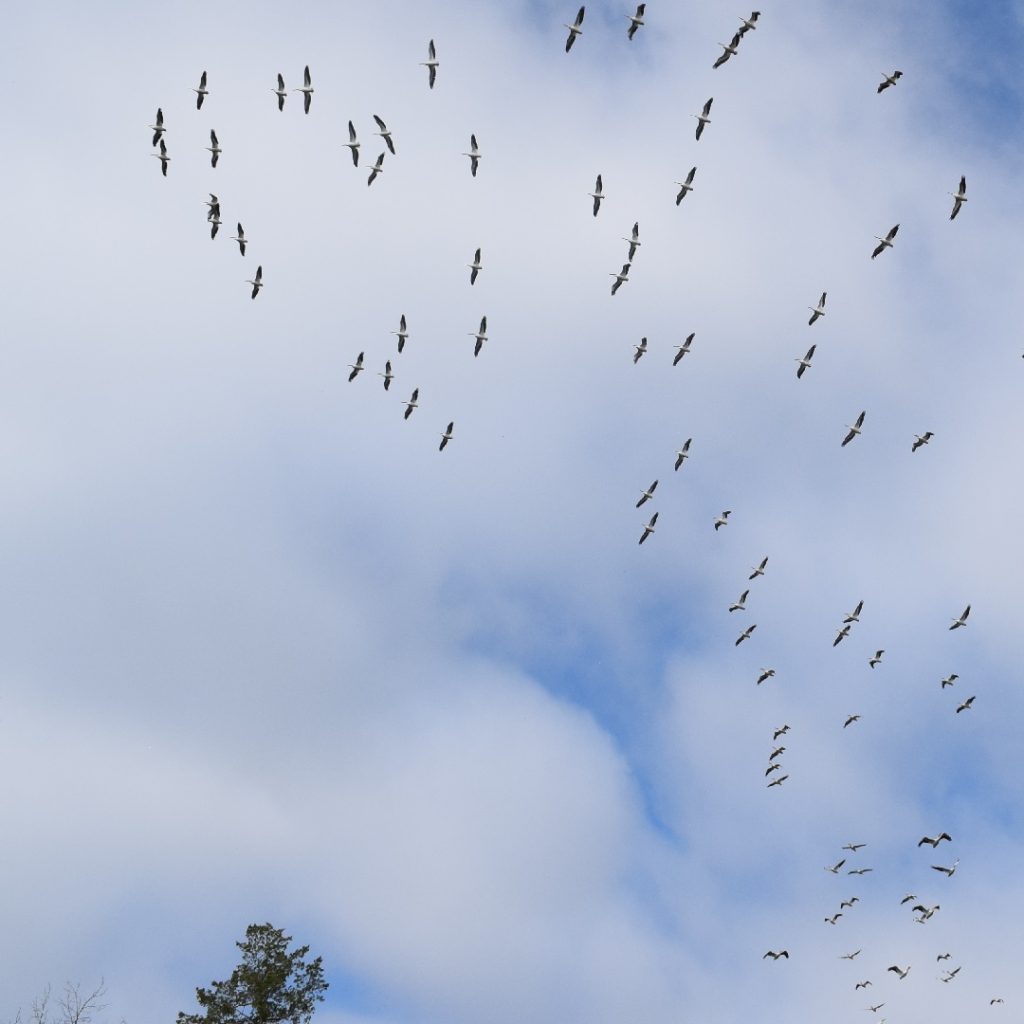
Around St. Cloud, Minnesota, fall bird migration centers on several major spectacles. Most songbirds have left or are currently leaving. Through mid-November, over 14,000 to 20,000 Sandhill Cranes gather in the region. Large squadrons of American White Pelicans can be spotted soaring and gliding in V-formations over local landmarks such as Lake George here. Ducks, geese, bald eagles, and eventually trumpeter and tundra swans move through the Mississippi River corridor and area lakes from October into November as seasonal ice forms.

Local Viewing Hotspots
- St. Cloud’s Lake George: a convenient local spot within the city to watch overhead flocks of pelicans and migrating waterfowl as they glide in.
- Sherburne National Wildlife Refuge: here from From mid-September to mid-November, this refuge serves as Minnesota’s largest migration stopover for sandhill cranes, providing excellent viewing opportunities.
- Beaver Islands Trail: fall wildlife migration viewing along the Island centers around the Mississippi Flyway, with active waterfowl spottings through October.
- Quarry Park & Nature Preserve: the park, specifically along the wooded and wetland paths leading into the Scientific and Natural Area (SNA) is a prime spot for observing native birds, songbirds, and waterfowl around the small quarry ponds.
See more at Destination St Cloud to plan your trip.
Lakeville
Great fall wildlife and bird migration viewing is available right in Dakota County and a short drive away at major regional and national wildlife refuges.
Local Viewing Hotspots
- Woodbury Conservation Area: offers walking trails through open spaces featuring migratory songbirds, warblers, and raptors.
- Foxborough Conservation Area: offers natural wetland habitat good for local birding and quiet autumn walks.
- Daniels Conservation Area: offers accessible local greenspace viewing sites for spotting seasonal wildlife.
- Raven Lake Conservation Area: comprises of wetlands and natural park outlots that are great for waterfowl and local fauna.
- Vermillion Highlands WMA: is a jointly managed research and state wildlife area with expansive open terrain and grassland species.
- Wilkie Unit – Minnesota Valley National Wildlife Refuge: covers 2,100 acres of protected river bottoms and marshes. It hosts the state’s largest Great Blue Heron rookery and is an important stopover for Tundra Swans and American White Pelicans.
See more at Destination Lakeville to plan your trip.
Richfield
Fall wildlife migration viewing in and around the city centers on urban wetlands, floating boardwalks, and a nearby lake that act as critical stopovers for waterfowl, songbirds, and raptors
Local Viewing Hotspots
- Wood Lake Nature Center: In the heart of the Twin Cities, this 150-acre Nature Center offers viewing along cattail marshes, restored prairie, and lowland forests hosting migrating waterfowl, herons, egrets, cormorants, warblers, thrushes, muskrats, and painted turtles.
- Veterans Memorial Park: offers tree-shaded walking paths, marshlands, and ponds that attract local wildlife, birds, and turtles. Frequently spotted wildlife includes waterfowl, hawks, owls, and herons.
- Taft Park: offers a 1.3-mile paved loop trail circling Taft Lake. This popular loop is great for casual birding and features spring migrants like common loons, pied-billed grebes, and killdeer, along with resident Canada geese and duck families, double-crested cormorants, robins, blackbirds, and cardinals.
See more at Destination Richfield to plan your trip.
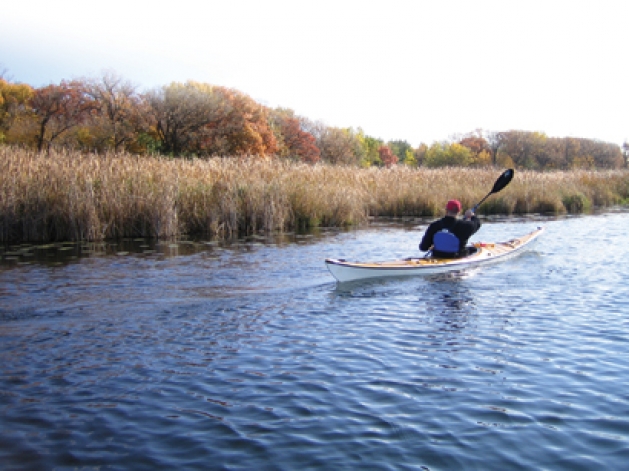
Bloomington, at the confluence of two flyways
On the south edge of Bloomington, MN, a short distance from the Mall of America, you will find the MN River Bottoms Trail System. Especially in the fall, it’s a fun place to bike or hike while watching the annual fall wildlife migration. Here, while exploring, you can observe over 250 species of birds.
Local Viewing Hotspots
- Minnesota Valley National Wildlife Refuge: is a thriving urban refuge for wildlife viewing especially in the fall. Minnesota River Valley is a great place to be this time of year. Fall migration is in full swing along the river corridor, and the refuge’s mix of wetlands, floodplain forest, and grassland draws a wide variety of species.
- Richardson Nature Center: at Hyland Lake Park Reserve, offers forest trails where you can spot late-season songbirds, waterfowl on Hyland Lake, and overhead views up on Hyland Hills Ski Area.
- Old Cedar Avenue Bridge & Bass Ponds Area: offers a prime migration bottleneck overlooking Long Meadow Lake and the river bottoms, where many species stop to rest.
- Pikes Island at Fort Snelling State Park: hike 1 to 3 miles out on the Pike Island Loop to the confluence of the Mississippi and Minnesota Rivers to view all the fall wildlife and bird migrations.
See more at Destination Bloomington to plan your trip.
From the Prairie Pothole Region
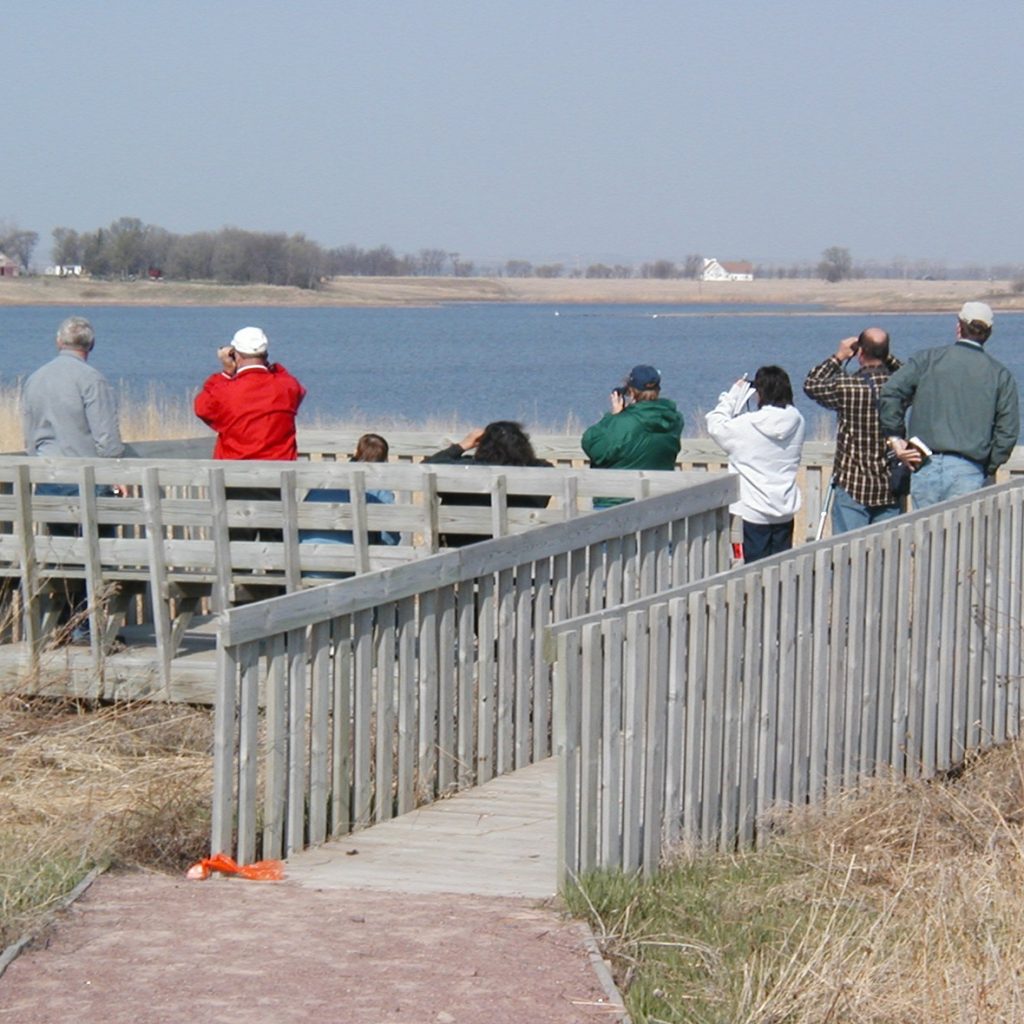
Alexandria
This area in Douglas County is also an important migratory flyway, with diverse native prairie, pothole lakes, and woodlands. Trumpeter swans, red-shouldered hawks, and cerulean warblers rely on this habitat. Audubon has designated sections of the moraine region as Important Bird Areas, and the Land Trust works closely with them to protect and restore key migratory-bird habitats.
Local Viewing Hotspots
- Lake Carlos State Park: features glacial hills, prairie, and forest transition zones that provide resting and feeding areas for migrating songbirds, waterfowl, and soaring raptors.
- Lake Brophy County Park: offers over 1,200 feet of shoreline and rich natural cover, ideal for spotting waterfowl on the water and local forest birds among the changing autumn leaves.
- Lake Agnes Park: close to town, with local water bodies and native brush, ideal for a quick outing to watch small flocks of staging waterfowl and seasonal migrants.
- Alexandria Moraine Region: the rolling glacial landscape here forms a vital migratory corridor, known as the “America’s Duck Factory.” Here, watch for trumpeter swans, ducks, geese, and hawks moving through in September and October.
See more at Destination Alexandria to plan your trip.
Willmar
In the fall, Kandiyohi County offers many wildlife and bird-migration viewing stations centered on rich local wetlands, forests, and prairie landscapes that serve as crucial stopover points for waterfowl, songbirds, and raptors.
Local Viewing Hotspots
- Robbins Island Regional Park: the lakeside woodlands and park trails adjacent to Green Lake / Foot Lake are a frequent spot for cardinals, wood ducks, Canada geese, and white-tailed deer, along with various transient songbirds.
- Bergquist Wildlife Area: is a local wildlife and natural refuge area ideal for spotting native prairie wildlife, waterfowl, and seasonal migrant species in a quieter, off-the-beaten-path setting.
- Prairie Woods Environmental Learning Center: set in a prairie, woods, and wetland ecosystem habitat, great for spotting local mammals and birds of prey.
- Sibley State Park: features a mix of mature forests, open prairies, wetlands, and the shoreline of Lake Andrew. A breeding area and stopover for over 200 bird species, including migrating waterfowl, warblers, and shorebirds. Here, find nearly two miles of trails connecting the Lakeview Campground and the Interpretive Center, plus the scenic Pond View Trail loop.
See more at Destination Willmar to plan your trip.
Mankato
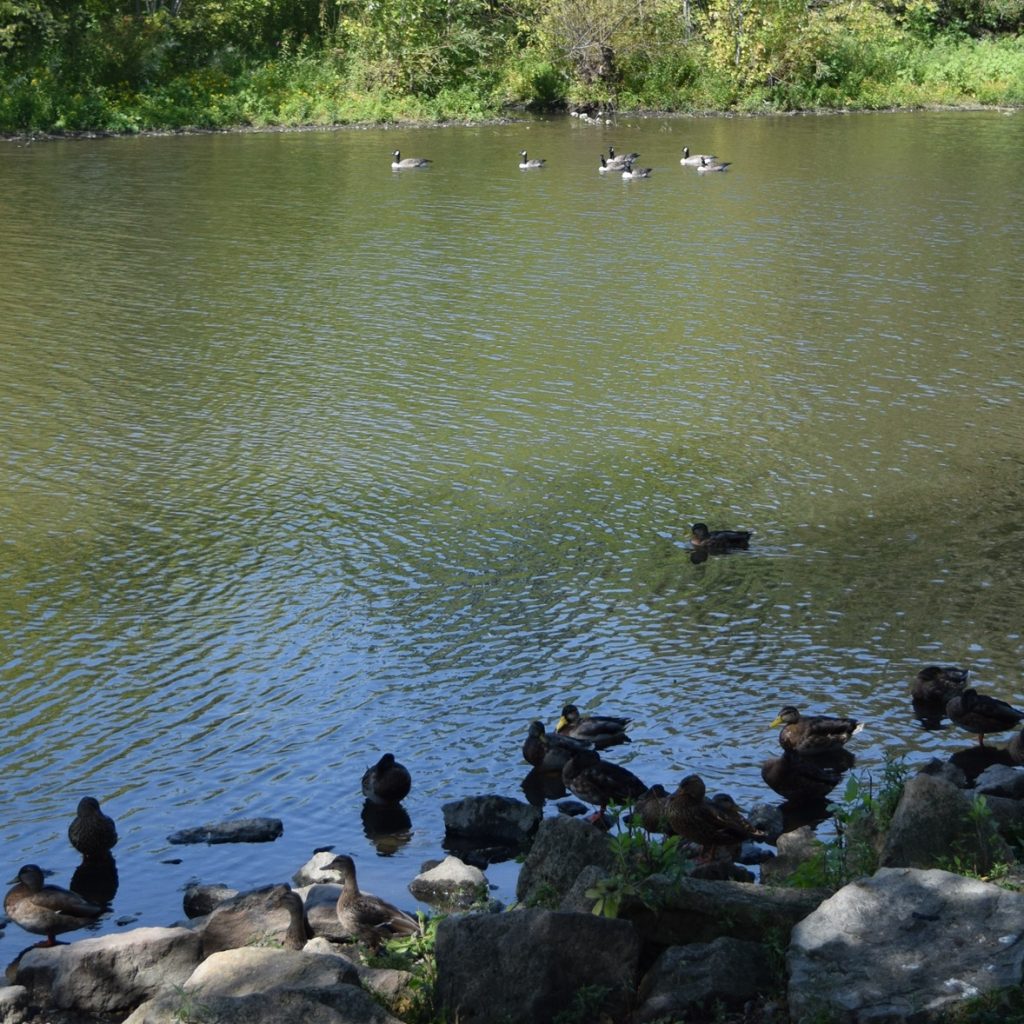
The Greater Mankato area offers prime local spots for fall wildlife and bird migration viewing along the Minnesota River Valley, featuring hawks, waterfowl, September: Peak fall migration for songbirds (warblers, vireos, thrushes, and sparrows), shorebirds moving through mudflats, and the start of the raptor flight. Typically, mid-to-late October is peak time for waterfowl staging along the Mankato River Valley, especially ducks and geese. Sandhill crane movement also begins then. Late-season waterfowl and lingering raptors, followed by trumpeter and tundra swan movements along the Minnesota River systems, are in November & December.
Local Viewing Hotspots
- Williams Nature Center: with riverside acreage, offers paved interpretive trails, dirt footpaths, and two scenic observation platforms overlooking the Minnesota River and Minneopa Creek. Early in the fall migration, watch for songbirds, woodpeckers, cardinals, and birds of prey soaring above the treelines.
- Minneopa State Park: here find intact native prairie, cascading waterfalls, and a fenced-in bison range with an auto tour and trail system. In the river valley, watch migratory birds and waterfowl.
- Bethany Hawkwatch at the “Land of Memories Park” you will find local hawk-counting observation sites operated by volunteers tracking raptors from mid-August to the middle of December (with peak broad-winged and sharp-shinned hawk activity in September and October). Sites include the Bethany Lutheran College campus and Land of Memories Park near the confluence of the Blue Earth River flowing into the Minnesota River. Wildlife to watch includes broad-winged hawks, sharp-shinned hawks, turkey vultures, and soaring raptors.
- Seven Mile Creek County Park: near St. Peter, offers dense forest paths, flowing rocky creeks, and deep ravine habitats just north of Mankato. Besides wild turkeys, wildlife to watch includes seasonal forest/migratory bird species.
- Kasota Prairie Scientific and Natural Area: a restored tallgrass prairie along the Minnesota River bluffs, perfect for watching eastern meadowlarks, dickcissels, red-tailed hawks, and bald eagles soaring overhead.
- Indian Lake Conservation Area: offers quiet walking trails hugging a thin wetland basin. Perfect for viewing migratory waterfowl and diverse wetland bird species.
See more at Destination Mankato to plan your trip.

Owatonna
In Steele County, the city sits along a network of smaller flight paths that feed into the Mississippi Flyway. Here, local shallow lakes and the river corridor become highly active with migratory waterfowl, raptors, and songbirds.
Local Viewing Hotspots
- Rice Lake State Park: the shallow lake and marshland in the State Park is located northeast of Owatonna. A premier fall waterfowl viewing destination, large flocks of migratory ducks (Teal, Mallards, Canvasbacks) and geese stop to rest and feed during peak season. The mowed Lakeview Trail and its observation boardwalk offer great vantage points.
- Kaplan’s Woods Parkway: this mature forest features over 4 miles of multi-use trails along the city’s south edge. Early in the autumn season, it is an excellent spot to catch migrating woodland songbirds, warblers, and vireos filtering through the ravines.
- Prairie Rose Wildlife Management Area: a local state-managed wildlife area divided into two units connected by a walking trail. It provides a quiet mix of grassland and wetland habitats where you can view transient marsh birds and migrating raptors overhead.
- River Bend Nature Center: located in Faribault, this nature center features diverse habitats—including prairie, woods, and ponds—that attract many songbirds, thrushes, and raptors during their southward journey.
See more at Destination Owatonna to plan your trip.
Albert Lea
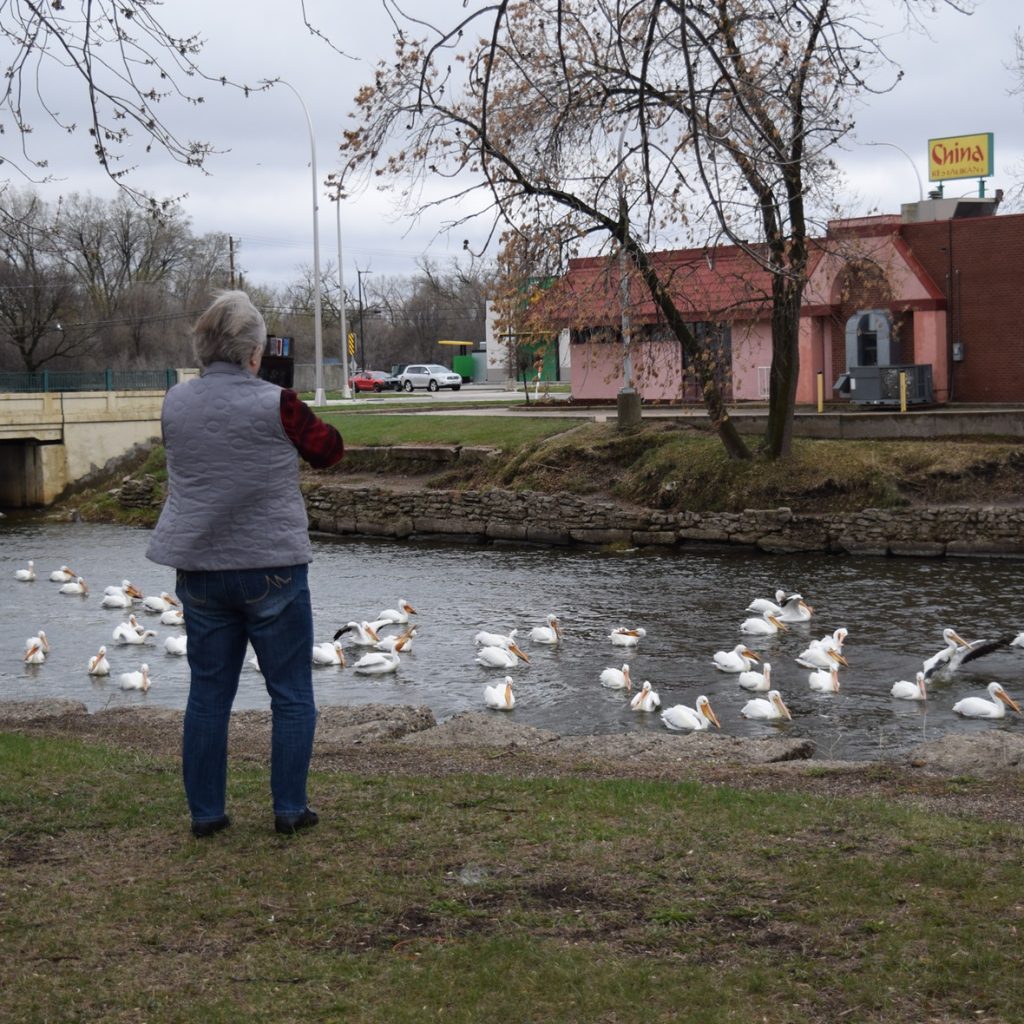
Fall wildlife migration in Albert Lea centers around Myre-Big Island State Park and Bancroft Bay Park, located along a major regional bird migration corridor. White pelicans, herons, egrets, and various ducks often glide over Albert Lea Lake and local wetlands as the fall migration continues. It’s also a great chance to catch migrating songbirds like warblers and Thrushes. You will also see dark-eyed juncos arriving for the cold months, alongside year-round residents like black-capped chickadees.
Local Viewing Hotspots
- Myre-Big Island State Park: this park surrounds Albert Lea Lake. Reviewers highlight incredible fall birdwatching here, with regular sightings of pelicans, sandhill cranes, and dozens of songbird species resting in the oak savannas.
- Bancroft Bay Park: situated on Fountain Lake, it offers great shoreline access and timbered edges for spotting songbirds in transit and waterfowl.
- Magaksica Wildlife Management Area: is a publicly accessible nature reserve located a couple miles southwest of the city. The area serves as protected public land dedicated to wildlife production and a jewel for waterfowl viewing.
See more at Destination Albert Lea to plan your trip.
Back on the Mississippi Flyway
As the Mississippi River leaves Minneapolis and St. Paul, the flyway continues south.
Inver Grove Heights
On the west bank of the river, explore Pine Bend Bluffs Scientific and Natural Area or River Heights Park in Inver Grove Heights, Minnesota, to experience peak fall wildlife migration along the Mississippi River flyway.
Local Viewing Hotspots
- Pine Bend Bluffs Scientific and Natural Area: is a 256-acre preserve (part of the larger 1,300-acre Pine Bend Bluffs Natural Area) featuring 200-foot-high forested bluffs, dry prairies, and views overlooking the Mississippi River. And a major stopover for hundreds of species of migrating songbirds, waterfowl, shorebirds, bald eagles, and monarch butterflies heading south.
- River Heights Park: is a 7.5-acre city park containing restored savanna, woodlands, and a demonstration pollinator garden maintained alongside the Friends of the Mississippi River. Perfect for spotting migratory songbirds and monarch butterflies feeding on native prairie flora along the river corridor.
- Seidl’s Lake Park: a 37-acre park of restored oak woodlands surrounding a 5-acre lake that acts as an important neighborhood pocket habitat providing resting spots and food sources for migrating birds and local pollinators.
See more at Destination Inver Grove Heights to plan your trip.
Cottage Grove
On the east bank of the river, the city and its immediate surroundings sits directly along the Mississippi River flyway. Here, much of the Northshore Birding Trail flyway merges, making it a prime location for viewing autumn bird migrations, especially from the St. Croix River Valley. Though peak movement for warblers, vireos, thrushes, and sparrows has already passed, waterfowl gather heavily on regional wetlands and backwaters, along with sandhill cranes moving through the area. As trees drop their leaves, late-season waterfowl, including bald eagles and passing swans, also use the Mississippi River pools and lower river valleys to rest and forage.
Local Viewing Hotspots
- Grey Cloud Dunes Scientific and Natural Area: an essential stop on the Mississippi River flyway. Open sand dunes, prairie grasses, savanna, and woodlands attract migrating songbirds, warblers, bobolinks, dickcissels, indigo buntings, and rare sparrow species. You may also spot grassland reptiles.
- Cottage Grove Ravine Regional Park: offers dense forests, walking/hiking trails, and a central lake that provides habitat for wild turkeys, grouse, cottontail rabbits, deer, ermine, and diverse woodland birds like the pileated woodpecker.
- Carpenter Nature Center: overlooks the St. Croix River Valley with extensive prairie and forest trails. It is a hot spot for spotting migrating raptors—especially red-tailed hawks—along with resident and transient bald eagles, owls, and songbirds.
- Woodridge Park & Local Corridor Parks: features a segment of the Pine to Prairie International Birding Trail. Nearby local green spaces and the Cottage Grove Trailway Corridor also attract local waterfowl and songbirds.
See more at Destination Cottage Grove to plan your trip.
Root River Trail Towns
Fall wildlife migration viewing along the Trail Towns in Minnesota’s Driftless Area combines vibrant Bluff Country scenery with active seasonal movements of songbirds and waterfowl. Here, thousands of tundra swans and various ducks migrate through the nearby Mississippi River Flyway and adjacent valley zones (such as near the Reno Spillway and local river bends).
Local Viewing Hotspots
- Root River and the State Trail: From Fountain to Houston, the 42-mile paved trail runs under mixed hardwoods, along limestone bluffs, and along riverbanks, ideal for quiet walking or biking to view migrating wildlife. Along the trail and river also see soaring raptors, forest birds, and bluff-country mammals framed by autumn foliage.
- Root River Wildlife Management Area (Main and West Units): Managed lands near La Crescent and Houston dedicated to general wildlife observations, fishing, and natural habitats. A rich blufflands-and-river-bottom corridor for general wildlife viewing, hunting, and bird observation during the autumn migration season.
See more at Destination Root River Trail Towns to plan your trip.
Winona
As the Mississippi River flyway nears the southern Minnesota border, you will find a major corridor for thousands of migrating waterfowl, raptors, and songbirds from mid-October through November. Here, you can expect to see many waterfowl species, including tundra swans, trumpeter swans, mallards, pintails, canvasbacks, scaup, goldeneyes, and buffleheads. You may also see bald eagles, hawks, and ospreys riding the thermal currents along the 500-foot bluffs. You may also see remaining songbirds, including woodpeckers, sparrows, kinglets, and gnatcatchers, in the bottomland forests and cemetery groves.

Local Viewing Hotspots
- Aghaming Park Preserve: is located directly across the main channel from downtown Winona. This 1,950-acre floodplain forest offers prime birdwatching along the Mississippi Flyway.
- Lake Winona & Woodlawn Cemetery: offers walking paths around Lake Winona and the wooded grounds of Woodlawn Cemetery. Here, you can see diving ducks, horned grebes, loons, kinglets, warblers, and sparrows during migration.
- Great River Bluffs State Park: rising 500 feet above the river valley, the park’s overlooks provide sweeping views of hawks, eagles, and waterfowl traveling the flyway.
- Woodridge Park & Local Corridor Parks: features a segment of the Pine to Prairie International Birding Trail. Nearby local green spaces and the Cottage Grove Trailway Corridor also attract local waterfowl and songbirds.
- Weaver Bottoms: is just north of Winona. This backwater region hosts roughly 325 bird species and serves as a major rest stop for thousands of tundra swans, diving ducks (such as scaup, goldeneye, and bufflehead), and geese, normally from mid-October through mid-November.
- Trempealeau National Wildlife Refuge: is located a short drive across the river in Wisconsin. This refuge features a self-guided auto tour, walking trails, and an observation deck near the visitor center where mallards, pintails, coots, wigeons, eagles, and swans gather from mid-October to November.
- Brownsville Wildlife Overlook: is located further downriver. This roadside stop is famous for viewing thousands of migrating tundra swans, pelicans, and ducks in late fall.
See more at Destination Winona to plan your trip.
Enjoy the fall migratory flyway opportunities using the maps in the Minnesota Bike, Hike, Paddle Guide!
Leave a Reply